
LPG Panic: Government Failure or Rahul Gandhi's Politics?
- | Saturday | 14th March, 2026
BY-Alok Verma
The Leader of Opposition Rahul Gandhi has every right to question the incumbent government. But when criticism begins to look like political theatre at a moment of national anxiety, the country is entitled to ask whether the intention is to seek answers or simply to score political points.
India is not facing a routine political disagreement. The tensions in the Middle East and the confrontation involving the United States and Iran have disrupted global supply chains, particularly energy routes passing through the Gulf region. For a country like India that depends heavily on imported oil and gas, instability in that region inevitably puts pressure on domestic supplies.
Against this backdrop the debate over LPG availability has suddenly moved to the centre of political confrontation. Rahul Gandhi chose to launch a public campaign accusing the government of failing the people and raised slogans suggesting that cylinders have virtually disappeared from the market. His protest at the gates of Parliament may have created dramatic political optics, but it has also strengthened a narrative of panic at a time when the situation already carries global uncertainty.
https://www.youtube.com/watch?v=tjnd_sjBT68
Opposition leaders are expected to raise uncomfortable questions. That is the lifeblood of democracy. Citizens rely on the opposition to challenge the government and demand accountability when public services falter.
But the office of the Leader of Opposition carries responsibilities that go beyond political agitation.
A political activist can amplify anger. The Leader of Opposition must balance criticism with national responsibility. His words travel beyond party supporters. They influence public sentiment, markets and business confidence. This distinction becomes critical during moments of external crisis.
The LPG supply pressures being discussed today are not simply the result of a domestic administrative lapse. They are linked to disruptions in shipping routes and energy supply chains in the Gulf. Escalation in that region affects insurance costs, shipping schedules and the movement of essential commodities across the world. India, like many other countries, must manage the consequences of that instability.
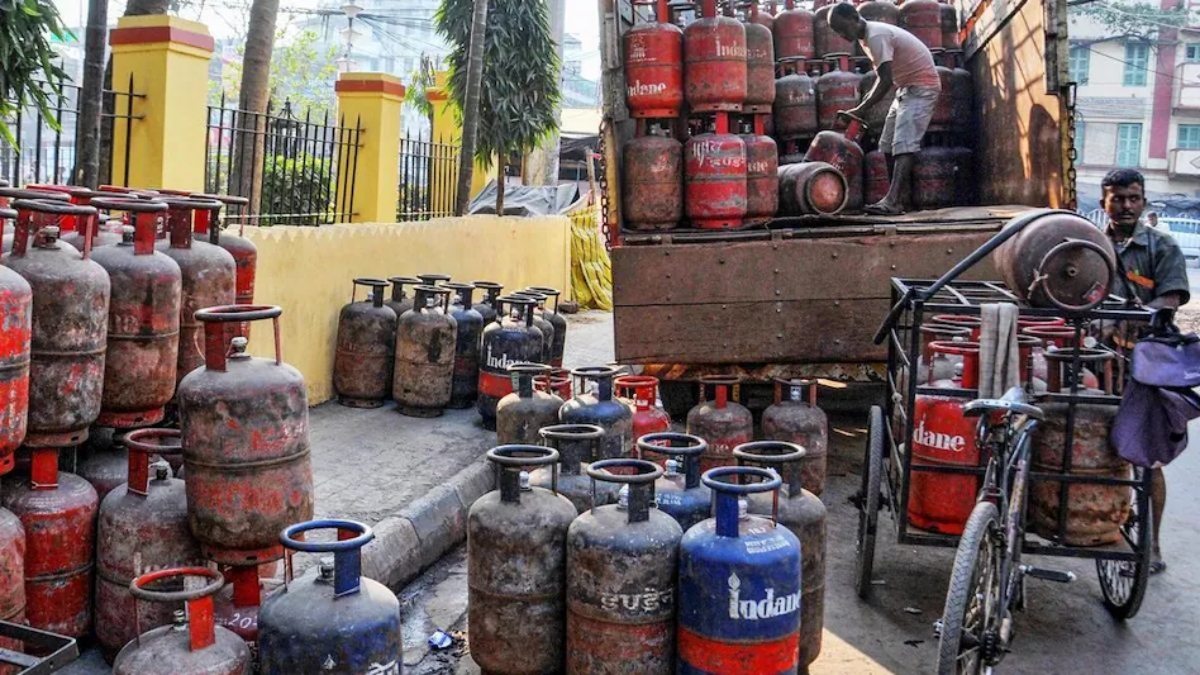
The government says it is prioritising household consumers, increasing domestic production and taking steps to stabilize distribution. Whether these measures are sufficient or not is open to scrutiny. The opposition has every right to demand transparency. It can ask how large India’s reserves are, how long they will last and what contingency plans exist if disruptions persist. These are legitimate and necessary questions.
But turning a supply challenge into a slogan-driven campaign carries risks of its own. Public perception can easily turn into panic. This is what has happened. Citizens have begun to believe that cylinders are disappearing from the market, panic booking and hoarding quickly followed. Businesses dependent on LPG — restaurants, food outlets and small industries — started suspending operations out of fear of shortages.
Political rhetoric, even when intended as criticism, can unintentionally deepen economic anxiety. A more constructive approach from the opposition could have focused on demanding daily supply disclosures, pressing for contingency planning and ensuring strict action against hoarding or black marketing. That would have forced accountability without feeding panic.
Interestingly, even within the opposition space there are differences in tone. Congress leader Shashi Tharoor has spoken about the developments in the Middle East in terms of national interest and economic consequences for India. His remarks reflect a more measured understanding of the geopolitical situation and its implications for India’s energy security. This contrast within the opposition is revealing. The issue is not whether the government should be criticized. Democracies thrive on criticism. Governments must be questioned.
The real question is whether criticism during a global disruption should aim to illuminate the problem or merely dramatize it.
India’s democracy has always witnessed fierce political contest between the government and the opposition. Yet moments shaped by global uncertainty require a different quality of leadership. The Leader of Opposition is not merely a critic of the government. He is expected to represent an alternative national leadership.
That is why Rahul Gandhi’s conduct in this moment deserves scrutiny. Raising questions about shortages is legitimate. Turning them into a slogan war during an externally triggered crisis appears less like responsible opposition and more like political impatience. The country expects the Leader of Opposition to challenge the government firmly. But it also expects him to demonstrate the maturity that the office demands. At present, Rahul Gandhi’s approach risks reflecting the instincts of a campaigner rather than the steadiness of a national leader in waiting.
(The writer is a National Award-winning senior journalist.)

If You Like This Story, Support NYOOOZ
Your support to NYOOOZ will help us to continue create and publish news for and from smaller cities, which also need equal voice as much as citizens living in bigger cities have through mainstream media organizations.
Stay updated with all the Delhi Latest News headlines here. For more exclusive & live news updates from all around India, stay connected with NYOOOZ.